

For coffee enthusiasts and budding baristas alike, the path to achieving the finest cup of espresso depends on the equipment we choose. Amidst the array of equipment at our disposal, coffee tampers are notable as a critical element in the espresso brewing process. These seemingly simple devices serve as a tool of equipment; they function as a game changer that has the potential to raise your brewing game to greater levels.
Understanding the function of espresso tampers , also known as barista tampers as they're often called for those looking to achieve barista-level brews at home. The act of compressing, which is squeezing coffee grounds in the portafilter, guarantees an uniform extraction during brewing, which is crucial for developing intense aromas and aromas. Using the right espresso tamping tools in hand, you’ll be able to improve your coffee's taste and also sharpen your barista skills, transforming an ordinary cup of coffee into a remarkable experience.
Understanding Coffee Tampers
Espresso presses serve as essential instruments for anyone seeking to enhance their espresso-making abilities. These instruments function to compress ground coffee into a solid puck within the portafilter, providing consistent extraction during brewing. A well-tamped coffee bed allows hot water to pass consistently through the coffee grounds, stopping channeling and leading in a well-rounded flavor profile. Understanding the importance of appropriate tamping can elevate your coffee experience from satisfactory to outstanding.
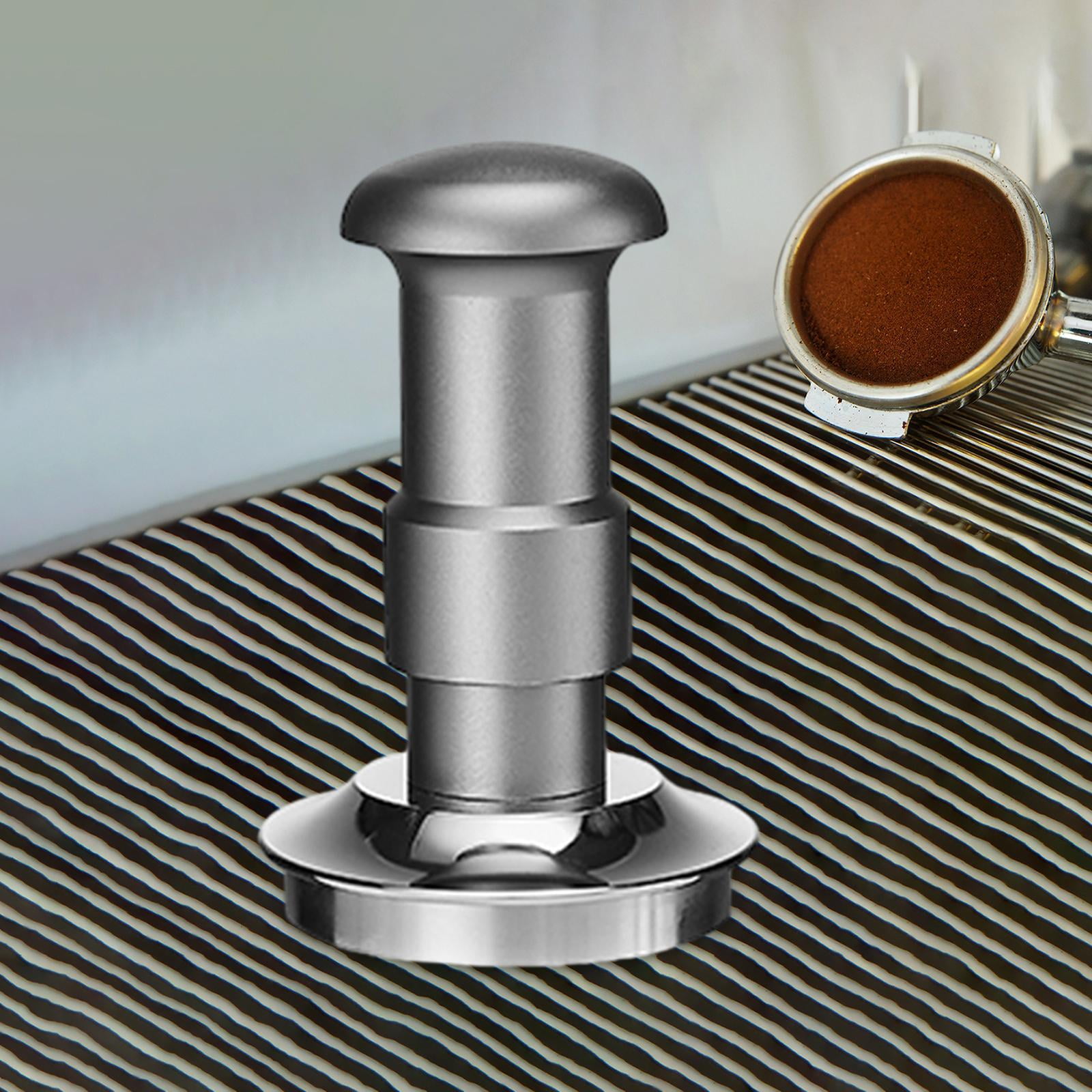
Espresso presses come in different forms, dimensions, and compositions, each impacting the tampering process. Common options comprise aluminum and stainless steel tampers, with diverse handle designs catering to individual comfort and grip. A barista tamper often includes a even base for a consistent surface area, but some may choose a convex or angled base to assist in specific brewing techniques. Selecting the correct press can considerably affect the quality of your espresso shots.
Mastering the technique of espresso tamping requires experience and attention to detail. The aim is to use even pressure, ensuring that the coffee grounds are compacted consistently. Barista presses often have a calibrated function to indicate the optimal level of pressure applied, which can help amateur baristas gain confidence in their technique. Learning to operate espresso tamping tools effectively can lead to creating café-quality espresso drinks at home.
Finding the Appropriate Tamper
Choosing the perfect tamper is crucial for achieving the perfect espresso extraction. The size of the tamper should correspond the dimensions of your portafilter holder, typically either 58 mm or 51mm. A well-fitted tamper allows for even compression of the coffee beans, which is crucial for a reliable brew. Evaluate the tamping area and select a tamper that offers a comfortable hold and seems stable in your grip.
The material is another important aspect when finding a coffee tamper. Many tampers are made from steel, aluminum, or synthetic materials. Stainless steel tampers are long-lasting and provide a solid feel, while aluminum options can be easy to handle. Synthetic tampers may be budget-friendly, but they can miss the stability needed for a professional brew. Consider your preferences and how frequently you intend to utilize the tamper in your coffee-making method.
In conclusion, reflect on additional features that may improve your pressing experience. Certain tampers may have comfortable shapes, while others may have a tapered base to assist in distribution. Additionally, calibrated tampers can help ensure consistent pressure every time you compress, which is perfect for those looking to duplicate their brews. By assessing size, material, and characteristics, you can discover the perfect coffee tamper to improve your espresso craft.
Honing the Compression Technique
Mastering your tamping technique is crucial for getting an outstanding espresso shot. The technique begins with ensuring that your coffee grounds are evenly distributed in the portafilter. By taking the time to arrange the grounds, you create a uniform surface that will help achieve an even extraction. Use your finger or a distribution tool to loosen any clumps before applying pressure with your espresso tamper.
When it comes to tamping, uniformity is key. Hold the tamper with a firm grip and apply even, uniform pressure directly onto the coffee grounds. Aim for approximately 30 pounds of pressure, as this is generally considered optimal for packing the coffee without overpacking it. Avoid twisting or lateral movements, as these can jeopardize the integrity of the coffee bed and result in uneven extraction.
After tamping, it is crucial to check for any edges or uneven spots. A well-tamped coffee puck should have a flat and smooth surface. Review your work, and if needed, give the tamper a light tap to settle the grounds again. Honing this technique not only enhances your brewing technique but also improves the flavor and quality of your espresso, bringing you closer to barista-level brews.